
July 5, 2026
How Long Do AC Units Last in Tampa, FL?
Table of Contents
Most AC units in Tampa last around 10 to 15 years, but Florida’s long cooling seasons, humidity, attic heat, and near-constant use can shorten that lifespan faster than many homeowners expect.
If your unit is getting older, needing more repairs, or struggling to keep your home comfortable, understanding the average lifespan can help you decide what to do next. In this guide, we’ll explain what affects longevity in Tampa, when routine service can still help, and when repair or replacement may be the better option.
Rolando’s HVAC provides honest recommendations, professional inspections, and residential air conditioning services across Tampa and Town ’n’ Country.
Quick Answers About AC Lifespan in Tampa
- Average lifespan: Most Tampa AC units last about 10–15 years.
- Biggest lifespan factors: Upkeep, airflow, installation quality, attic heat, humidity, and duct condition.
- Early warning signs: Rising energy bills, longer cooling cycles, frequent repairs, weak airflow, and humidity problems.
- When replacement may make sense: If the unit is over 10 years old and service calls are becoming more frequent or expensive.
- What homeowners overlook: Lifespan depends on the entire cooling setup, not just the outdoor equipment.
Why AC Systems Wear Out Faster in Tampa
Cooling equipment in Florida works much harder than it does in many other parts of the country. In Tampa, homeowners often run their AC for much of the year, which increases wear on major components.
Common Tampa Conditions That Affect AC Lifespan
| Tampa Condition | How It Affects Your System |
|---|---|
| Long cooling seasons | Systems run more hours each year |
| High humidity | Moisture increases strain on components |
| Attic heat | Higher indoor heat loads increase runtime |
| Salt air exposure | Outdoor coils and electrical parts can corrode faster |
| Airflow restrictions | Poor airflow forces the system to work harder |
| Frequent cycling | When the AC turns on and off too often, it increases startup stress on components |
Because Tampa units run so often, routine service becomes much more important for long-term reliability and efficiency.
Learn more about our Tampa AC maintenance services.
Average AC Lifespan by System Type
Different types of cooling equipment can have different average lifespans depending on upkeep, installation quality, and operating conditions.
Typical AC Lifespan in Tampa
| System Type | Average Lifespan |
|---|---|
| Central air conditioning system | 10–15 years |
| Heat pump system | 10–15 years |
| Ductless mini split | 12–20 years |
| Air handler components | 10–15 years |
| Thermostat systems | 8–12 years |
Systems that receive regular maintenance and proper airflow balancing often last longer than neglected systems.
How Maintenance Affects AC Lifespan in Tampa
| Maintenance History | Typical Tampa AC Lifespan |
|---|---|
| Regular professional maintenance | 12–15+ years |
| Inconsistent maintenance | 8–12 years |
| Little to no maintenance | 5–10 years |
| Systems with airflow or duct problems | Lifespan may be shortened significantly |
In Tampa, neglected service often affects airflow, coil cleanliness, refrigerant performance, and overall strain long before equipment completely fails. Many units that “suddenly stop working” have actually been losing efficiency for years.
Why Some Tampa AC Systems Fail Before 10 Years
Not every unit reaches the 15-year mark. In some Tampa homes, cooling equipment begins struggling much earlier because of installation problems, airflow issues, or neglected upkeep.
Common Causes of Early AC Failure
- Dirty evaporator or condenser coils
- Restricted airflow from clogged filters
- Leaky ductwork
- Improper sizing
- Low refrigerant levels
- Drain line clogs and moisture buildup
- Oversized units short cycling repeatedly
- Poor attic insulation forcing longer runtimes
In many homes, the equipment itself is not the only issue. Poor airflow and duct leakage can force the unit to run longer and harder than necessary. Learn more about our Tampa ductwork services.
Poor insulation can also increase heat load and cooling demand during Tampa summers. Explore our attic insulation services.
Signs Your Tampa AC Is Nearing the End of Its Lifespan
Many homeowners wait until the AC completely stops cooling before considering a new unit. In reality, warning signs usually appear much earlier.
Common Signs of an Aging AC Unit
- Higher electric bills
- Uneven temperatures between rooms
- Longer cooling cycles
- Frequent repairs
- Weak airflow from vents
- Excess indoor humidity
- Refrigerant leaks
- Loud startup noises or vibration
- Trouble keeping up during hotter afternoons
If your unit is over 10 years old and service costs are starting to add up, it may be time to compare tune-up, repair, and new HVAC unit options.
Can AC Maintenance Extend System Lifespan?
Yes. The U.S. Department of Energy notes that regular maintenance of filters, coils, fins, and refrigerant lines is essential for efficient performance. In Tampa's climate, routine care can also help reduce unnecessary wear as cooling equipment runs heavily throughout the year.
Professional tune-ups help:
- Clean coils and improve heat transfer
- Check refrigerant levels
- Improve airflow performance
- Reduce strain on motors and compressors
- Catch smaller problems before they turn into expensive breakdowns
In Tampa’s climate, routine care is especially important because cooling equipment runs heavily for much of the year.
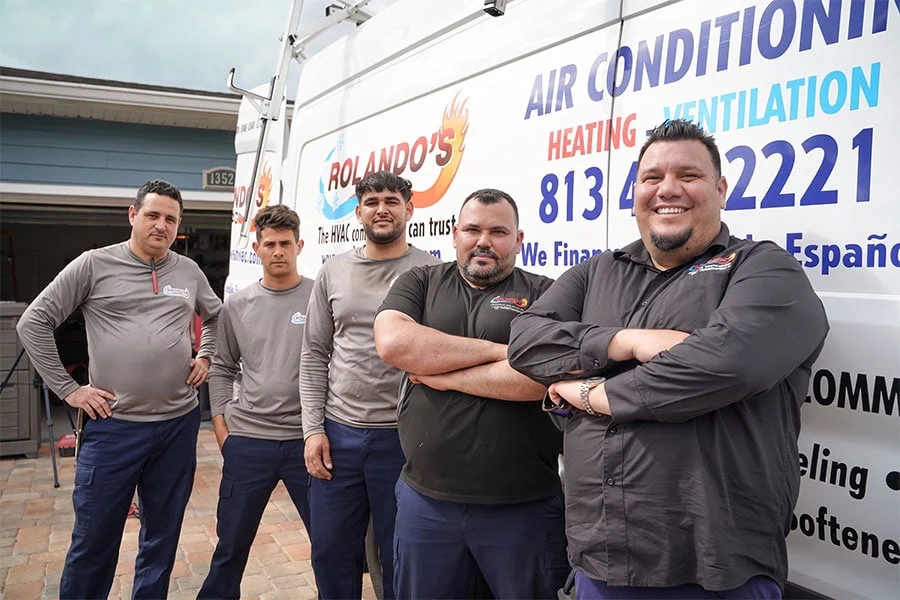
Most homeowners should schedule professional AC service at least once per year. Units with heavy runtime or airflow issues may benefit from inspections every six months.
Repair vs Replace: When Does It Stop Making Sense?
One of the most common questions homeowners ask is whether they should keep putting money into an older unit or install a new one.
A common HVAC guideline is the $5,000 Rule:
Multiply the age of the unit by the repair costs. If the number exceeds $5,000, installing new equipment often becomes the better long-term investment.
Example:
- 12-year-old unit
- $600 repair
- 12 × 600 = $7,200
In many cases, installing new equipment may make more financial sense than continuing to repair aging components.
Replacement may also make more sense if:
- Repairs are becoming frequent
- Cooling performance continues to decline
- Energy bills keep rising
- Refrigerant problems continue appearing
- Indoor comfort issues persist
Read our full guide on AC repair vs replacement costs in Tampa.
How Long Does AC Replacement Take?
Most residential air conditioner replacements in Tampa are completed in one day. A simple system swap is usually faster, while older homes may take longer if the ductwork, electrical setup, or equipment location needs extra work.
Timing depends on:
- System size — Larger systems may take longer to remove, install, and test
- Ductwork condition — Leaks, damage, or poor airflow may need correction
- Electrical setup — Some systems need updated wiring, disconnects, or breaker work
- Permit requirements — Local permitting can affect scheduling
- Equipment access — Tight closets, attic air handlers, or hard-to-reach outdoor units can add time
- Startup testing — The system must be checked for airflow, refrigerant levels, drainage, and thermostat response
If ductwork needs to be repaired or adjusted, installation may take longer. That extra step matters because a new AC will not cool evenly if old airflow problems are left in place.
Learn more about AC replacement in Tampa.
AC Lifespan Tampa — FAQ
How long do AC units usually last in Tampa?
Most AC systems in Tampa last 10 to 15 years. Systems that are maintained regularly and have good airflow may last longer, while units with duct issues, heavy runtime, or skipped maintenance may wear out sooner.
Does Tampa weather shorten AC lifespan?
Yes. Tampa’s heat, humidity, salt air exposure, attic heat, and long run times can increase wear on AC components. Outdoor units can also collect debris faster during storm season, which affects efficiency if the coils are not cleaned.
Can AC maintenance help systems last longer?
Yes. Routine maintenance helps reduce wear, improve airflow, clean key components, and catch small issues before they become major repairs. In Tampa homes, drain line cleaning and coil checks are especially important because of humidity and heavy condensation.
What causes AC systems to fail early?
Common causes include poor airflow, dirty coils, refrigerant leaks or low refrigerant levels, oversized equipment, duct leakage, and skipped maintenance. Improper sizing can also cause short cycling, which means the AC turns on and off too often.
Should I repair or replace my older AC system?
If your AC is older, needs frequent repairs, and no longer cools well, replacement may be the better long-term option. A small fix on a 7-year-old unit is different from a major compressor or coil issue on a 12-year-old system.
How often should AC systems be serviced in Tampa?
Most Tampa homeowners should schedule AC maintenance once per year. ENERGY STAR recommends yearly HVAC tune-ups, and many Tampa homeowners with heavy cooling demands or airflow problems may benefit from inspections every 6 months.
Can ductwork affect AC lifespan?
Yes. Leaky or restricted ductwork can force the air conditioning unit to work harder, increasing wear and reducing efficiency. If rooms stay hot even when the unit runs, the issue may be airflow rather than the AC itself.
Keep Your Tampa AC System Running Longer
Understanding AC lifespan helps Tampa homeowners make smarter decisions about tune-ups, service costs, and replacement before expensive breakdowns happen.
Whether your home needs routine service, airflow corrections, service, or a full upgrade, Rolando’s HVAC provides honest recommendations and residential HVAC service across Tampa and Town ’n’ Country.
Rolando's H.V.A.C., LLC
Tampa, FL 33634
Call (813) 373-6804 today for a free estimate.
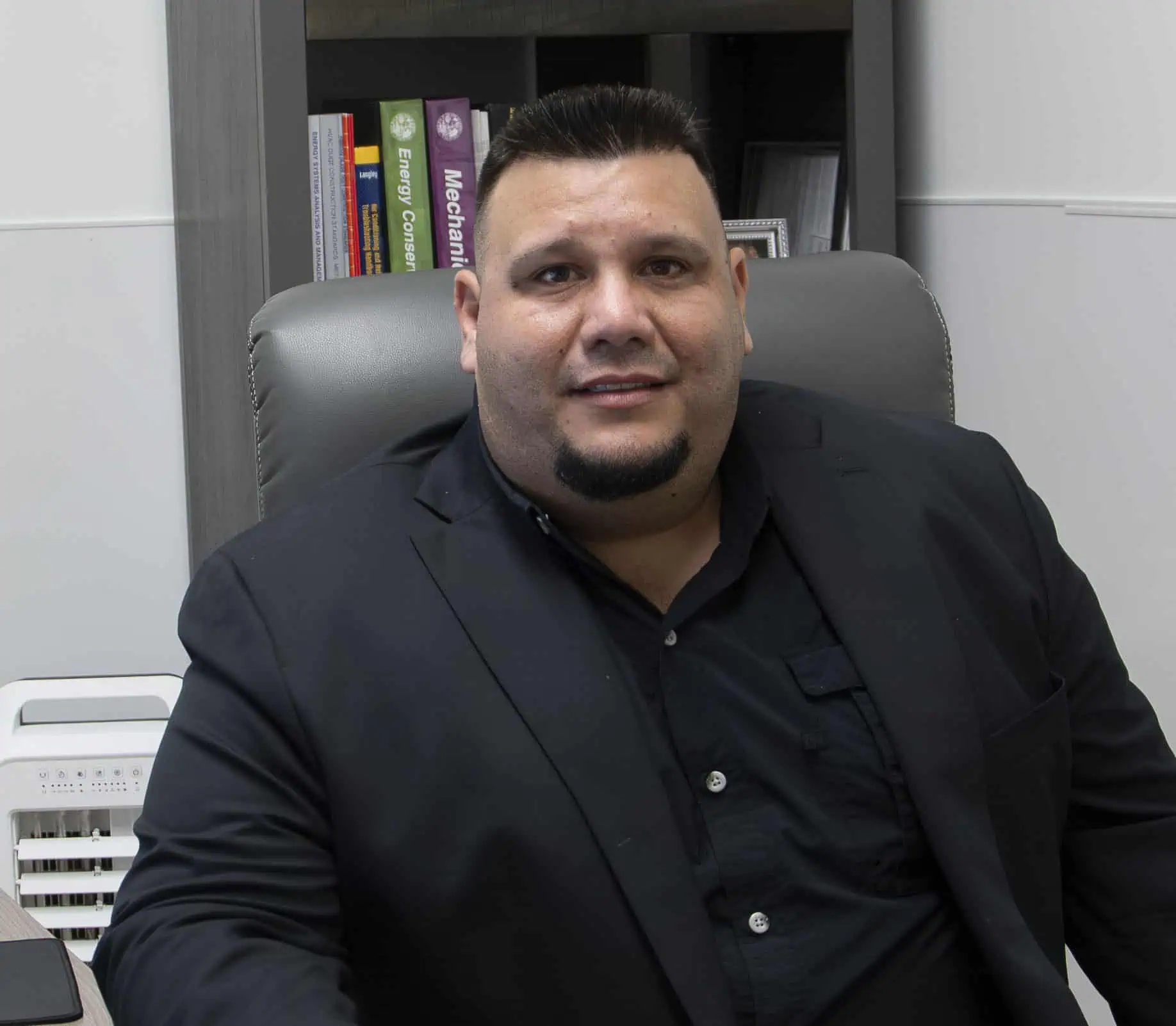
Rolando Mojarrieta is the founder of Rolando’s HVAC, a licensed HVAC contractor based in Town ‘n’ Country and serving the greater Tampa Bay area. With over 15 years of experience in residential air conditioning, heat pump installations, and energy-saving upgrades, Rolando is committed to helping Florida homeowners stay comfortable year-round. License #CAC1820272.